
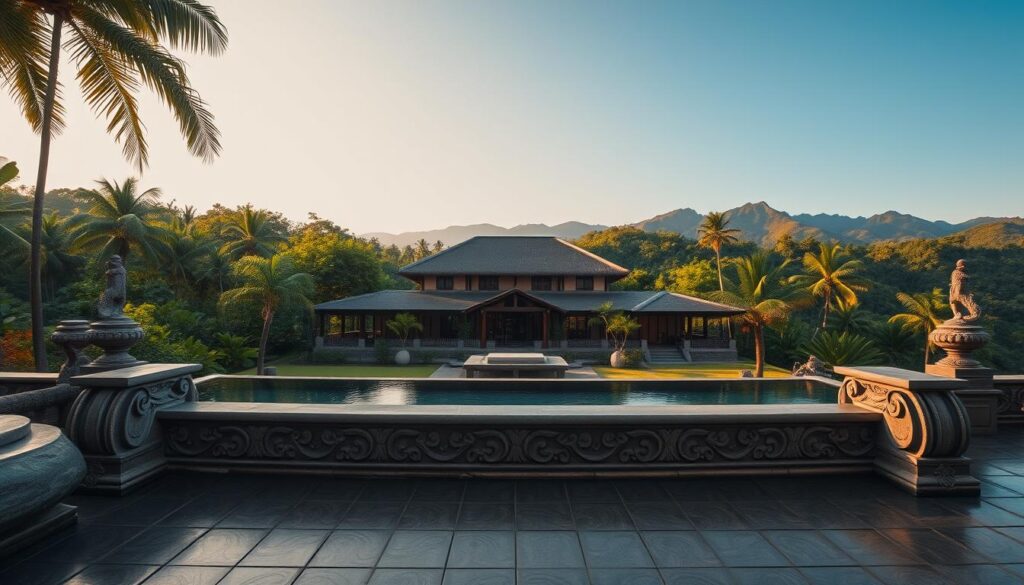
Surprising fact: the average villa price jumped from about $321,000 in early 2024 to roughly $484,000 in early 2025, reshaping what buyers expect this year.
This introduction outlines what drives those shifts across the island: proximity to beaches, area growth, size and bedroom counts, build quality, and legal ownership routes. Buyers comparing listings will notice strong premiums in Seminyak and Canggu and lower entry points in remote zones.
We also cover the practical costs beyond the sticker price: notary checks, BPHTB and PPh taxes, furnishing, management, and budgeting for lease extensions in IDR. For foreigners, leasehold versus company routes change both cost and risk, while ROI varies by area, with higher yields near tourist hubs.
Key Takeaways
- Average jump: expect higher baseline values in 2025 compared to 2024.
- Location, size, and legal title drive most of the price differences.
- Plan for taxes, permits, and ongoing management when evaluating total cost.
- Rental ROI depends on area and amenities; Seminyak often outperforms on returns.
- Use local comps and trusted agents to verify listings and reduce overpaying risk.
Market snapshot 2025: What’s driving Bali real estate right now
The market shift this year reflects a rare convergence of tourist demand, limited coastal land, and renewed investor interest.
The island saw an average price jump from $321,000 to about $484,000 — roughly a $163,000 rise in just one year. That shift shows broad growth across coastal and inland zones.
From $321k to $484k: How prices moved from early 2024 to present
Strong demand and fewer listings near key beaches drove the biggest gains. Competitively priced properties now sell faster than in prior years.
Hotspots leading growth: Canggu, Berawa, Pererenan
These areas recorded outsized appreciation because buyers value lifestyle amenities and short-term rental returns. Limited developable land underpins price resilience.
Quieter areas catching up: Ubud and Tabanan trends
Buyers seeking larger land parcels and quieter settings are pushing up values inland. Bedrooms, pools, and modern finishes continue to be key value drivers.
- Why villas lead: more living space, private pools, and strong rental demand.
- Supply constraint: scarce coastal plots keep premiums steady.
- Macro drivers: tourism rebound, better connectivity, and lifestyle migration.
bali villa prices by area and size
Location dictates the market: seaside addresses attract luxury premiums, and ricefield settings deliver value. Below is a clear breakdown of typical ranges by area and how bedroom counts shape demand.
Prime coastal living: Seminyak and Canggu price ranges
Seminyak and Canggu are top-tier for buyers who want beaches, nightlife, and high rental demand.
Typical mid-sized range: $300,000–$1,000,000. A three-bedroom in Seminyak often sits near $500,000.
Nature-first options: Ubud villas and value
Ubud offers larger plots and ricefield views at lower cost than coastal zones.
Common range: $200,000–$600,000, with many 2–3 bedroom properties clustered around $250,000.
Family-friendly shores: Sanur and Nusa Dua price bands
These areas favor calm beaches, schools, and long-term livability.
Price band: $150,000–$400,000. Premium oceanfront examples can push far higher for placement and finish.
Budget stretchers: Tabanan, Seseh, and emerging areas
Emerging zones give more land per dollar and attract buyers who want to buy land and build.
Entry range: $100,000–$300,000. A compact 2-bedroom in Canggu can still appear near $226,630 as a concrete comp.
- Bedrooms matter: 2BR vs 3BR affects nightly rates and occupancy for rentals.
- Compare listings: always match size, condition, and beach proximity for fair comparisons.
- Budget tip: plan IDR costs for closing and fit-out on top of the USD purchase price.
| Area | Typical USD Range | Common strength |
|---|---|---|
| Seminyak / Canggu | $300k–$1M | Beach access, high rental demand |
| Ubud | $200k–$600k | Space, ricefield views |
| Sanur / Nusa Dua | $150k–$400k | Family-friendly, calm beaches |
| Tabanan / Seseh | $100k–$300k | Land value, quieter lifestyle |
How many bedrooms do you need? Price tiers by villa size
How many bedrooms you pick will change purchase cost, rental appeal, and upkeep. Match your intended use—personal living, full-time rental, or a blended plan—before you set a budget.
Compact options (1–2 bedrooms): From $100k and up
What to expect: compact 1–2 bedroom villas usually start near $100,000 and climb with location and finish level.
These properties suit first-time buyers, personal retreats, or investors who plan to rent villa part-time. Lower maintenance and simpler layouts keep operating costs down.
Medium to large formats (3–5 bedrooms): From $300k to $1M+
What to expect: 3–5 bedroom assets typically begin around $300,000 and exceed $1,000,000 in prime coastal areas.
More bedrooms mean more space and stronger group bookings. Additional rooms often raise ADRs and occupancy, but they add upkeep and management needs.
- Fit-out and IDR budgets: plan for renovation and furnishing in IDR to meet guest expectations.
- Total cost view: include due diligence, permits, taxes, and initial operating capital when you compare properties.
- Buy vs. investment: align bedroom count to lifestyle use or revenue goals and model ROI before adding rooms.
- Inspect build quality: ventilation and storage control long-term upkeep and guest satisfaction.
| Size | Typical USD range | Best use |
|---|---|---|
| 1–2 bedrooms | $100k–$300k | Personal use, part-time rental |
| 3–5 bedrooms | $300k–$1M+ | Family stays, group rentals |
Ownership and legal basics for foreigners
Choosing the right ownership route shapes cost, control, and exit options for overseas purchasers.
Most foreigners acquire leasehold (Hak Pakai) for fixed terms, often 20–30 years with renewal options. Lease length affects valuation over the years, so check extension clauses and transfer rules early.
There is a route to freehold via an Indonesian company structure (PT PMA). This offers closer control but needs higher setup costs, annual compliance, and more complex accounting than a standard leasehold.
Key permits and compliance
An IMB (building) permit is mandatory for construction. For short-term rentals, a Pondok Wisata permit is required to operate legally.
Missing a permit risks fines, closures, and reduced resale value. Confirm permits before signing and budget for IDR-based government fees and translation/legalization costs.
- Verify land certificate type, zoning, and encumbrances.
- Ensure the lease allows subleasing or rental management if income is intended.
- Use trusted agents, real estate agencies, and a certified notary for due diligence.
| Feature | Leasehold | PT PMA / Freehold |
|---|---|---|
| Typical term | 20–30 years + renewals | Indefinite control via company ownership |
| Setup cost | Lower upfront | Higher (company setup & compliance) |
| Permits & compliance | Standard checks; easier for short deals | More reporting; formal corporate filings |
| Best use | Personal use or time-limited investment | Long-term investment, commercial rentals |
Plan a realistic timeline: offer to closing typically takes 4–8 weeks, including notary checks and permit confirmation. Align ownership choice with your market goals and how many bedrooms or management intensity you expect.
The full cost to buy: Taxes, fees, and ongoing expenses in 2025
A realistic purchase budget includes notary fees, transfer taxes, fit-out, and management reserves.
Upfront legal and closing costs
Allocate about 1–2.5% of the sale value for notary and legal due diligence to confirm clean title and permits.
Expect BPHTB at roughly 5% of the transaction and PPh near 2.5%—the latter often affects net sale proceeds even if paid by the seller.
Fit-out, operations and management
Plan furnishing and fit-out by bedrooms; a three-bedroom property needs higher capex than a one-bedroom.
Property management normally runs 10–20% of gross rental income, plus reserves for maintenance, utilities, internet, pool and garden service.
Lease extensions and recurring items
Budget IDR 500,000,000–1,000,000,000 for lease extensions in many areas and negotiate timelines well before expiry.
- IMB permit: ~IDR 30–50 million for regularization or new builds.
- Sample stack (3BR at IDR 5,000,000,000): Notary ~IDR 50M (1%), BPHTB ~IDR 250M (5%), furnishing ~IDR 300M, plus management and contingency in IDR.
| Item | Typical cost | Note |
|---|---|---|
| Notary / legal | 1–2.5% of sale | Title checks, translations |
| Taxes (BPHTB) | ~5% | Buyer-paid in many sales |
| PPh | ~2.5% | Often seller effect on net price |
| Lease extension | IDR 500M–1B | Depends on area and years left |
Tip: keep contingency funds in IDR to cover timing gaps, exchange shifts, and time-sensitive permit or listing requirements.
Land and build options: Price per m² and where value remains
Per-square-meter rates tell a clear story about where value is concentrated and where bargains remain.
Prime zones: Seminyak, Uluwatu, and Canggu commonly range about $1,000–$2,000/m². Proximity to beaches or ocean views creates consistent premiums within these pockets.
Developing zones: Ubud, Seseh, and Pererenan typically sit around $300–$800/m². These areas offer more space per dollar and can be ideal if you want to buy land and build.
Decide: buy land + build or buy completed property?
Buying land and building often reduces unit cost and lets you match bedrooms and layout to demand. It needs strong project management and realistic contingencies for materials and labor.
- Ownership: leasehold is simpler; using a PT PMA for freehold adds control but more compliance.
- Due diligence: verify zoning, access roads, utilities, setbacks, and any easements before you commit.
- Permits and fees: factor in IMB and other approvals in IDR early to avoid delays.
| Zone | Typical $/m² | Best fit |
|---|---|---|
| Seminyak / Uluwatu / Canggu | $1,000–$2,000 | High-demand, beach access, higher resale |
| Ubud / Seseh / Pererenan | $300–$800 | Land value, larger plots, build-for-value |
| Build advice | — | Match plot size to bedrooms to optimize ROI |
Rental demand and returns: Turning a villa into income
Turning a property into reliable rental income starts with realistic yield expectations and strong local management.
Typical yields: well-run assets often deliver about 8–10% net returns in Canggu and Ubud. In high-demand Seminyak locations, returns can reach 15–20% when occupancy and ADRs are strong.
What drives demand and boosts returns
Area popularity, walkability to surf and dining, and year-round appeal lift occupancy and nightly rates. Bedrooms and layout matter: more bedrooms often raise ADRs and group bookings, improving seasonal stability.
- Revenue levers: beach access, ocean or rice-field views, private pools, modern kitchens, parking, and fast Wi‑Fi.
- Expense control: preventative maintenance, energy efficiency, and management fees (typically 10–20% of gross).
- Operational tips: conservative price assumptions, IDR working capital for seasonality, and compliance with Pondok Wisata and tax filings.
- Marketing: professional photography, channel mix, and dynamic pricing to maximize rent villa performance.
| Metric | Typical range | Impact |
|---|---|---|
| Yield | 8–20% | Area and management dependent |
| Management fee | 10–20% of revenue | Affects net income and guest experience |
| Working capital (IDR) | Reserve for 3–6 months | Covers seasonality and permit costs |
Benchmarking similar properties in the same area helps validate achievable nightly rates and occupancy. Test luxury upgrades against incremental capex to ensure the added cost improves long‑term returns.
Your next step to buying property in Bali with confidence
Begin with a simple plan: define your budget, preferred area, and how many bedrooms you need.
Shortlist buy villa options and villa sale listings that match use and ROI goals. Engage trusted agents or real estate agencies to arrange inspections (often 24-hour notice) and gather recent comps.
Decide on leasehold or a freehold route early so due diligence and offers fit the legal path. Build a full cost view—taxes, permits, set-up capex—and prepare documents and funds to keep timing predictable.
Tip: validate title, permits, and rental/sublease rules with your notary. Balance space, beach access, and income targets, or consider buy land if inventory is tight. Move with confidence and the right team to finish a smart 2025 purchase.
FAQ
What factors are driving the real estate market in 2025?
Demand from international buyers, improved tourism, infrastructure upgrades, and strong rental returns are the main drivers. Coastal hotspots and lifestyle hubs attract premium buyers, while quieter inland areas gain interest for value and longer-term growth.
How have values moved from early 2024 to 2025?
Average transaction values shifted upward, with mid-range properties showing the biggest percentage rise. Prices that were around 1,000 in early 2024 moved toward the mid-0,000s in many popular areas, reflecting stronger demand and limited supply.
Which areas lead growth and which are catching up?
Canggu, Berawa, and Pererenan lead growth thanks to cafes, coworking, and surf culture. Ubud and Tabanan are catching up as buyers seek nature, lower land costs, and family-friendly options.
What price ranges should buyers expect in prime coastal zones?
Prime coastal zones like Seminyak and parts of Canggu typically command premium pricing. Expect higher per-square-meter rates and strong competition for well-located properties with sea or beach access.
How does pricing differ for nature-focused areas like Ubud?
Nature-first locations offer better value per square meter, with properties often priced lower than coastal hotspots while appealing to buyers seeking privacy, green views, and wellness lifestyles.
What are typical price bands in family-oriented shores like Sanur and Nusa Dua?
Family-friendly coastal areas usually provide mid- to upper-tier pricing, with solid demand from long-stay renters and families seeking calm beaches, resorts, and established amenities.
Where can I find lower-cost options for investment or holiday homes?
Emerging zones such as Tabanan, Seseh, and parts of inland regencies offer more affordable land and properties. These locations suit buyers willing to trade immediate convenience for capital growth potential.
How many bedrooms typically affect price tiers?
Smaller properties (1–2 bedrooms) start at the lower end of the market and suit single buyers or short-stay rentals. Medium to large homes (3–5+ bedrooms) demand higher prices and attract families or investors focused on higher rental income.
What ownership structures should foreigners consider?
Common options include leasehold and owning through a PT PMA (foreign investment company) for effective control. Each has pros and cons: leasehold reduces upfront complexity while PT PMA can provide long-term rights; legal advice is essential.
Which permits are essential for buying and renting out property?
Key permits include the IMB (building permit) for construction legality and Pondok Wisata or similar permits for short-term rental operations. Proper documentation ensures compliance and avoids fines or operational issues.
What are typical transaction costs and fees at purchase?
Expect notary and legal due diligence fees around 1–2.5% of the purchase price, plus taxes such as BPHTB (transfer tax) at roughly 5% and withholding taxes like PPh at around 2.5% depending on structure and seller status.
How much should I budget for fit-out, furnishing, and operations?
Initial fit-out and furnishing vary widely by standard, but investors often budget a significant sum plus ongoing costs. Professional management fees and maintenance commonly add 10–20% of rental income to operational budgets.
What costs are associated with lease extensions?
Extending a lease or renegotiating terms can involve substantial sums, often budgeted in local currency equivalents of mid-six-figure amounts for prime plots. Timelines vary, so planning ahead is crucial.
How much does land cost per square meter across zones?
Prime zones can range around
FAQ
What factors are driving the real estate market in 2025?
Demand from international buyers, improved tourism, infrastructure upgrades, and strong rental returns are the main drivers. Coastal hotspots and lifestyle hubs attract premium buyers, while quieter inland areas gain interest for value and longer-term growth.
How have values moved from early 2024 to 2025?
Average transaction values shifted upward, with mid-range properties showing the biggest percentage rise. Prices that were around $321,000 in early 2024 moved toward the mid-$400,000s in many popular areas, reflecting stronger demand and limited supply.
Which areas lead growth and which are catching up?
Canggu, Berawa, and Pererenan lead growth thanks to cafes, coworking, and surf culture. Ubud and Tabanan are catching up as buyers seek nature, lower land costs, and family-friendly options.
What price ranges should buyers expect in prime coastal zones?
Prime coastal zones like Seminyak and parts of Canggu typically command premium pricing. Expect higher per-square-meter rates and strong competition for well-located properties with sea or beach access.
How does pricing differ for nature-focused areas like Ubud?
Nature-first locations offer better value per square meter, with properties often priced lower than coastal hotspots while appealing to buyers seeking privacy, green views, and wellness lifestyles.
What are typical price bands in family-oriented shores like Sanur and Nusa Dua?
Family-friendly coastal areas usually provide mid- to upper-tier pricing, with solid demand from long-stay renters and families seeking calm beaches, resorts, and established amenities.
Where can I find lower-cost options for investment or holiday homes?
Emerging zones such as Tabanan, Seseh, and parts of inland regencies offer more affordable land and properties. These locations suit buyers willing to trade immediate convenience for capital growth potential.
How many bedrooms typically affect price tiers?
Smaller properties (1–2 bedrooms) start at the lower end of the market and suit single buyers or short-stay rentals. Medium to large homes (3–5+ bedrooms) demand higher prices and attract families or investors focused on higher rental income.
What ownership structures should foreigners consider?
Common options include leasehold and owning through a PT PMA (foreign investment company) for effective control. Each has pros and cons: leasehold reduces upfront complexity while PT PMA can provide long-term rights; legal advice is essential.
Which permits are essential for buying and renting out property?
Key permits include the IMB (building permit) for construction legality and Pondok Wisata or similar permits for short-term rental operations. Proper documentation ensures compliance and avoids fines or operational issues.
What are typical transaction costs and fees at purchase?
Expect notary and legal due diligence fees around 1–2.5% of the purchase price, plus taxes such as BPHTB (transfer tax) at roughly 5% and withholding taxes like PPh at around 2.5% depending on structure and seller status.
How much should I budget for fit-out, furnishing, and operations?
Initial fit-out and furnishing vary widely by standard, but investors often budget a significant sum plus ongoing costs. Professional management fees and maintenance commonly add 10–20% of rental income to operational budgets.
What costs are associated with lease extensions?
Extending a lease or renegotiating terms can involve substantial sums, often budgeted in local currency equivalents of mid-six-figure amounts for prime plots. Timelines vary, so planning ahead is crucial.
How much does land cost per square meter across zones?
Prime zones can range around $1,000–$2,000 per m², while developing areas often fall between $300–$800 per m². Location, access, and zoning drive these differences.
What rental yields can investors expect?
Typical gross yields vary by location and property type: 8–10% in lifestyle hubs and Ubud, with higher seasonal yields—sometimes 15–20%—in high-demand beach areas, depending on management and occupancy.
Which features most improve rental returns?
Proximity to beaches, ocean or rice-field views, number of bedrooms, modern amenities, and professional property management all boost occupancy and nightly rates, directly improving ROI.
How do I start the buying process with confidence?
Begin with market research, engage a licensed real estate agent or agency, obtain independent legal and tax advice, inspect properties in person, and verify permits and land titles before signing any agreement.
Are there reliable real estate agencies and agents to work with?
Yes. Use established agencies with local track records, transparent listings, and verified client reviews. Request references, check prior transactions, and confirm licensing and professional affiliations.
Can properties be rented out short term, and what rules apply?
Short-term rentals are possible but regulated. Owners must secure the right permits such as Pondok Wisata and follow local zoning rules, tax reporting, and community regulations to avoid penalties.
What returns and timelines should investors realistically expect?
Timelines depend on purchase strategy, property type, and market cycles. Expect a multi-year horizon for capital growth, while rental cash flow can start quickly if the property is staged and managed professionally.
,000–,000 per m², while developing areas often fall between 0–0 per m². Location, access, and zoning drive these differences.
What rental yields can investors expect?
Typical gross yields vary by location and property type: 8–10% in lifestyle hubs and Ubud, with higher seasonal yields—sometimes 15–20%—in high-demand beach areas, depending on management and occupancy.
Which features most improve rental returns?
Proximity to beaches, ocean or rice-field views, number of bedrooms, modern amenities, and professional property management all boost occupancy and nightly rates, directly improving ROI.
How do I start the buying process with confidence?
Begin with market research, engage a licensed real estate agent or agency, obtain independent legal and tax advice, inspect properties in person, and verify permits and land titles before signing any agreement.
Are there reliable real estate agencies and agents to work with?
Yes. Use established agencies with local track records, transparent listings, and verified client reviews. Request references, check prior transactions, and confirm licensing and professional affiliations.
Can properties be rented out short term, and what rules apply?
Short-term rentals are possible but regulated. Owners must secure the right permits such as Pondok Wisata and follow local zoning rules, tax reporting, and community regulations to avoid penalties.
What returns and timelines should investors realistically expect?
Timelines depend on purchase strategy, property type, and market cycles. Expect a multi-year horizon for capital growth, while rental cash flow can start quickly if the property is staged and managed professionally.