

Surprising fact: Airbnb listings in Bali topped 70,000 by 2024, and hotspot hosts earned roughly $16,900 a year at about 65% occupancy — proof the market still drives real cash flow.
This guide helps U.S. investors compare the strongest locations for predictable rental income and long-term appreciation. Popular neighborhoods like Canggu and Uluwatu show ~85% rental demand and projected ROI of 7–15%, while small units often yield 8–10%.
Badung leads traveler preference at 48.2% popularity and offers near 5% higher yield versus Jakarta. Use this short primer to see how occupancy, ADR, and length of stay map to net returns so you can deploy capital with confidence.
Quick take: focus on the right property size and cluster, weigh trade-offs like traffic and seasonality, and apply U.S.-friendly ownership structures to lock in multi-year returns.
Why 2025 is primed for Bali property investment
With resilient tourism and tightened inventory, 2025 sets a timely window for selective property investment in Bali.
Prime micro-markets like Canggu and Uluwatu often reach ~85% occupancy. Smaller villas typically yield 8–10%, and many listings show ROI bands of 10–15% when managed well.
Key signals for investors:
- Airbnb supply topped 70,000 listings in 2024; hotspot hosts averaged ~$16,900/year at ~65% occupancy.
- Badung captures 48.2% of traveler preference and posts nearly a 5% higher yield than Jakarta.
- Post-pandemic tailwinds and long-stay demand create steady booking pipelines across high-traffic corridors.
- Inventory is fragmented—well-positioned properties can outpace peers with smart marketing and operations.
- Use comps for occupancy, ADR, and LOS before underwriting projected returns.
Apply a data-led approach and align your capital to the right area and management plan for predictable returns and clearer exit options over the coming years.
How to choose the right location for consistent rental returns
Smart site selection balances walkable access, stable utilities, and the right local vibe.
Proximity matters: Prioritize short rides or walkable routes to key beaches like Echo, Batu Bolong, Berawa and to signature coves such as Padang-Padang and Suluban. Close access to attractions like Uluwatu Temple and popular restaurants lifts occupancy and average daily rates.
Infrastructure and access that drive occupancy
Verify essentials: road quality, parking, reliable water and electricity, and high-speed internet support guest satisfaction and strong reviews.
Sanur stands out for steady utilities and longer length-of-stay demand. Umalas adds school access, which attracts families and longer-term tenants.
Match guest profiles to micro-markets
Map tourists and renter types to submarkets: digital nomads and wellness travelers lean Canggu and Ubud; families prefer Sanur, Nusa Dua, and Jimbaran; surfers target Uluwatu and Canggu.
“Even one street away from a beach access can change nightly rates and occupancy.”
- Check neighborhood noise and development pace in growth corridors like Umalas, Seseh, and Munggu.
- Compare micro-location comps for ADR and LOS; small shifts affect net returns.
- Balance headline prices against guest value—quiet streets with fast access often outperform main-artery listings.
Canggu: digital nomad magnet with 85-90% occupancy and 8-10% yields
A steady flow of expats and remote workers keeps Canggu’s short- and mid-term bookings robust year-round. Echo, Batu Bolong, and Berawa form the core lifestyle draws with surf, cafes, and lively restaurants that sustain nightly demand.
Beaches and lifestyle drivers
Echo, Batu Bolong, and Berawa create walkable clusters that lift ADRs and occupancy. Proximity to popular beaches shortens transfer time and supports higher guest satisfaction.
Cafes, co-working, and long-stay demand
Positioning a property near co-working hubs captures digital nomads and longer bookings. That mix stabilizes shoulder seasons and improves net returns for smaller villas averaging 8–10% yields.
Price momentum, traffic trade-offs, and where to buy
Rent prices have risen roughly 15–20% annually, pushing market prices higher. Traffic can be heavy; buy on quieter lanes 5–8 minutes from main corridors and emphasize bike access.
“Place a dedicated desk, fast Wi‑Fi, and a private pool and you convert more longer stays.”
- Prioritize walkable routes to beaches and cafes to capture steady rental demand.
- Benchmark ADRs across Berawa and Batu Bolong for pricing power.
- Use pro management and dynamic pricing to maximize peak-season upside.
Uluwatu: cliffside luxury, surf culture, and premium nightly rates
Uluwatu’s cliffside setting marries surf culture with resort-grade nightly rates. Dramatic ocean views, iconic spots like Uluwatu Temple, and sunset Kecak performances create a clear luxury draw.
Iconic draws: temples, shows, and white-sand coves
Surf breaks such as Padang-Padang, Suluban, and Nyang Nyang bring affluent surfers and content creators. Nearby cultural programming and private beaches elevate a property’s appeal to high-spend tourists.
Airport access vs. seasonality and infrastructure
Proximity to Ngurah Rai International Airport and five-star neighbors (Four Seasons, Bulgari) supports premium pricing and quick transfers.
Expect seasonal swings and occasional infrastructure gaps. Select lots with solid road access and reliable utilities to protect reviews and occupancy.
- Target this market for higher ADRs driven by cliff views and exclusive experiences.
- Design-led villas with sunset decks and privacy win repeat bookings.
- Partner with beach clubs and tour operators to lift length of stay and upsells.
“Leverage neighboring luxury brands’ halo while underwriting for shoulder-season dips.”
Seminyak and Jimbaran: lifestyle staples for high ADR and stable rentals
Seminyak and Jimbaran offer two clear plays for investors: Seminyak for premium nightly rates and limited resale inventory; Jimbaran for airport proximity and family demand.
Seminyak leaseholds run roughly $111,000–$1.4M, while freeholds sit near $900,000–$3M. Limited new land keeps resale prices elevated, so use that scarcity when modeling exit scenarios.
Seminyak pricing and title considerations
Underwrite both leasehold and freehold ranges and verify title term integrity during due diligence. Position a property near Double Six or Petitenget and top restaurants to protect ADR and demand.
Jimbaran family appeal and yield outlook
Jimbaran’s seafood strip and calmer beaches attract families and steady tourists. Proximity to the airport stabilizes occupancy and short transfers.
“Pre-empt water constraints with storage and filtration to keep guest reviews high.”
- Use Seminyak scarcity to support capital preservation and resale potential.
- Blend short-term leisure and family mid-stays across both submarkets to smooth seasonality.
- Monitor micro-block comps before finalizing a sale or purchase timeline.
Umalas, Seseh, and Munggu: growth corridors with lower entry prices
Quiet lanes near Seminyak and Canggu are drawing investors who want lower entry prices and steady renters. These three corridors offer clear growth and practical opportunities for portfolios that balance income with upside.
Who rents here and why: quiet charm near hotspots
Umalas attracts families and expats because it is near international schools and offers safe streets. That profile drives dependable long-stay bookings and steady occupancy for many property owners.
Seseh and Munggu appeal as earlier-stage plays. They sit close to Canggu and Pererenan demand engines but keep lower entry pricing and quieter vibes.
Construction pace, amenities gap, and capital growth potential
Expect ongoing construction and an infrastructure gap while retail and hospitality follow demand. Choose lots on quieter lanes and plan guest communication to protect reviews.
“Design for privacy, parking, and a home-office to win longer bookings.”
- Target Umalas for long-stay families and expats seeking school access and reliability.
- Use Seseh and Munggu for lower-cost entry and proximity to Canggu’s market engine.
- Structure leases to capture appreciation while keeping yield discipline during build-out.
Track micro-market supply and blend villas across these areas to balance steady cash flow with capital appreciation potential.
Sanur and Nusa Dua: family-friendly stays, longer LOS, and reliability
For investors focused on steady returns, Sanur and Nusa Dua offer different but complementary reliability plays.
Sanur posts peak occupancy near 70–80% and draws long average length of stay. Reliable utilities, strong infrastructure, and quick access to Denpasar and the airport make logistics simple for hosts and tourists.
Nusa Dua targets upscale, family-focused guests. Prestigious resorts, Bali National Golf, and curated activities support premium rental rates, though higher operating costs and a less “authentic” feel limit budget demand.
- Choose Sanur for dependable utilities, easier logistics, and repeat bookings that stabilize income.
- Use Nusa Dua to capture luxury family demand with packages around golf, water sports, and cultural shows.
- Promote airport access, healthcare, and safe roads to attract cautious U.S. planners and long-stay families.
- Position both as anchors in a diversified island portfolio to smooth seasonality and protect prices.
“Market clarity on services, safety, and door‑to‑door travel time wins family bookings.”
Ubud and the inner heart of Bali: culture-led occupancy and nature escapes
Ubud attracts travelers who seek quiet mornings, ritual ceremonies, and green vistas away from the coast. This inner market leans on cultural sites and wellness offerings rather than beaches.
What drives 50-60%+ occupancy in a non-beach market
Culture and nature are the main pull: Sacred Monkey Forest, Tegalalang Rice Terrace, temples, and yoga centers convert interest into bookings. Villas that package wellness and in-villa dining often see longer stays.
Traffic realities and property types that perform
Roads can be narrow and congested at peak hours. Guests expect driver services and clear arrival plans, so set up partnerships and parking guidance up front.
- Target jungle or rice-terrace outlooks and quiet layouts to command premiums.
- Include spa or yoga space and chef services to offset distance from busy restaurants.
- Compare central vs. peripheral plots: center = access; outskirts = privacy and stronger nature appeal.
“Story-led photography and curated wellness packages justify higher nightly rates for non-beach stays.”
Best areas to buy villa in Bali: side-by-side performance and fit
Compare income drivers and capital upside side-by-side so your purchase matches a clear exit plan and operating goal. This short guide maps which locations favor fast cash flow or long-term appreciation for U.S. investors.
Immediate cash flow vs. long-term appreciation
Immediate income: Canggu and Seminyak deliver high occupancy and strong ADRs for quick payback and steady monthly revenue.
Long-term upside: Uluwatu and Ubud offer brandable luxury and premium nightly rates that compound value over time.
Investor personas and fit for 2025
- Yield-first operators: prioritize Canggu/Seminyak for predictable returns and quick turnover.
- Brand builders: choose Uluwatu/Ubud for experiential stays and higher ADRs despite seasonality.
- Stability seekers: Jimbaran, Nusa Dua, and Sanur anchor family bookings and longer LOS to reduce vacancy risk.
- Value plays: Umalas, Seseh, and Munggu offer lower entry prices and appreciation potential when paired with mid-term strategies.
Practical note: use comps, absorption, and the island real estate market data before you buy property. Blend two complementary property types to hedge seasonality and accelerate review velocity by timing renovations around peak demand.
Legal, budgets, and deal structure for U.S. investors
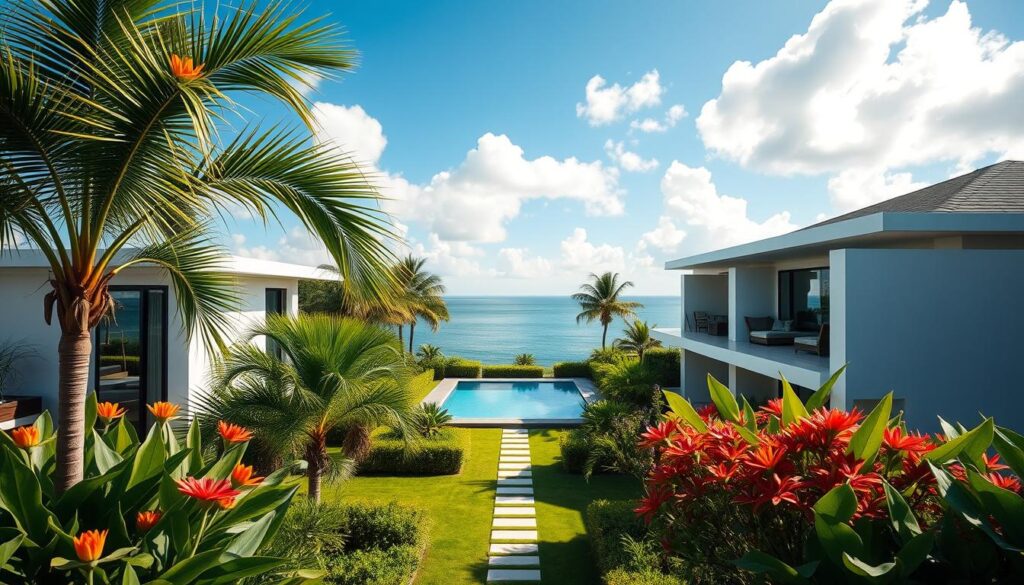
Clear legal steps and conservative budgeting cut risk when U.S. investors enter the property market. Foreigners cannot hold Indonesian land outright, so most transactions rely on long-term leaseholds that can extend up to 70 years.
Start with a Property Title Background Check to confirm certificates, encumbrances, and disputes. That check is non-negotiable for a clean estate market position and smooth transfer of operational control.
Foreign ownership basics and compliance
Use a long-term leasehold structure to lawfully control and monetize your asset as a U.S. investor. Require explicit lease terms for extensions, maintenance, and permitted usage.
Budgets, fees, and expected yields by area
Model all closing costs: taxes, notary, legal fees, furnishing, and initial capex. Seminyak leaseholds range roughly $111,000–$1.4M; freeholds near $900,000–$3M, which frames premium prices and exit scenarios.
- Underwrite by submarket: Canggu/Uluwatu — 8–10% yields for smaller units; Sanur/Nusa Dua — longer LOS stability; Ubud — culture-led performance.
- Budget line items: acquisition, legal/title checks, fit-out, operating reserves, and management setup.
- Protect value: establish compliant structures and SOPs for consistent cash flow and to preserve resale value across years.
“Require clear lease terms (extensions, maintenance, usage rights) to safeguard your real estate market position over the full term.”
Your next step to a high-ROI Bali villa in 2025
Start with a tight shortlist of two target locations, then plan physical visits to confirm market signals.
Bali demand is rising across prime and emerging markets, with families, surfers, culture seekers, and digital nomads supporting both short and mid-term rentals. Request a property pack with vetted comps, occupancy/ADR/LOS benchmarks, and year-by-year projections for your chosen location.
Align amenities with guest demand: beach access, co-working readiness, family layouts, or wellness spaces. Use a clear inspection, legal, and infrastructure checklist and move quickly on top candidates—quality properties see fast absorption and multiple bids.
Plan a go-live calendar around peak tourism windows, build OTA and direct-channel distribution, and engage local partners for operations and compliance. Book a consultation to refine options and convert research into acquisition with confidence.